 KitGuru KitGuru.net – Tech News | Hardware News | Hardware Reviews | IOS | Mobile | Gaming | Graphics Cards


Philips has recently announced a new monitor, expanding its ever-growing portfolio of gaming displays. The latest addition is the 272M1RPE, an IPS gaming monitor with a 240Hz refresh rate that delivers smooth gameplay without sacrificing image quality.
The 27-inch IPS panel has a 1ms response time (G2G), FullHD resolution, and AMD Freesync Premium support for stutter-free gaming. The panel's typical brightness hovers around 400nits and the contrast ratio at 1000:1, allowing the monitor to cover 119% of the sRGB colour space, 95% of the NTSC spectrum, and 93.4% of the Adobe RGB gamut. Moreover, the monitor comes factory-calibrated with a ΔE < 2 (sRGB).
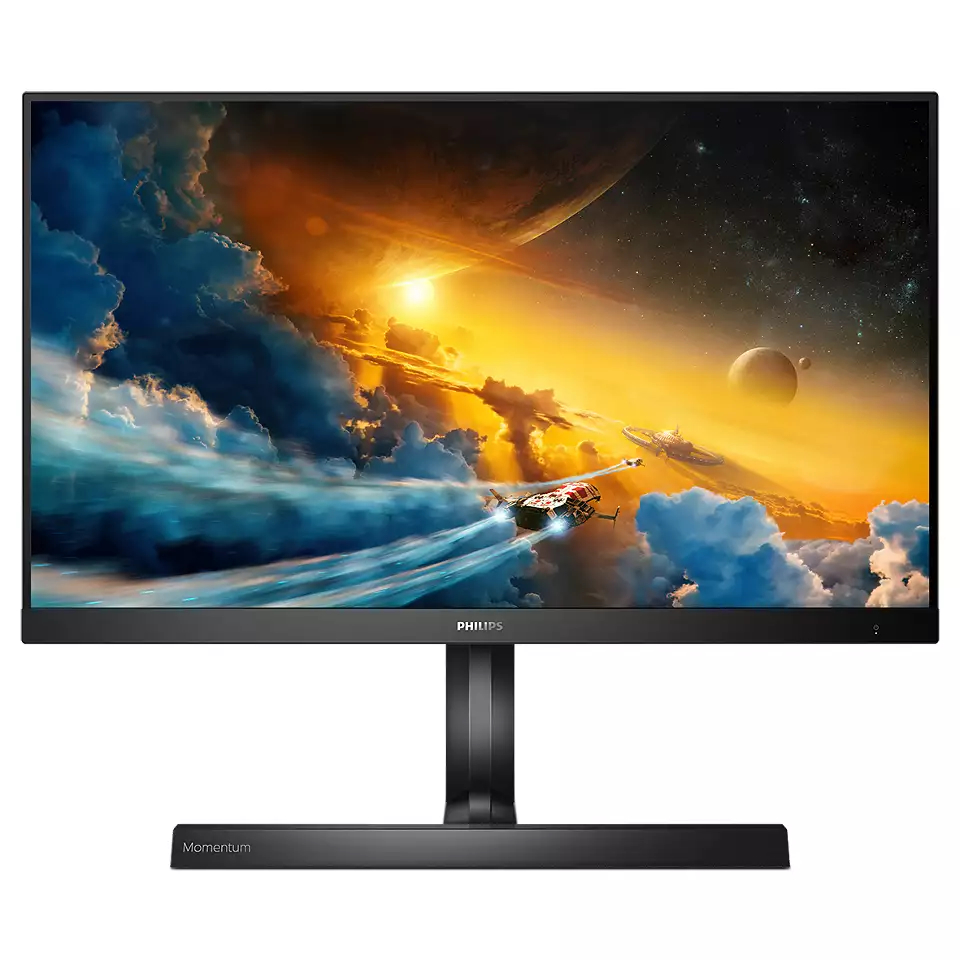
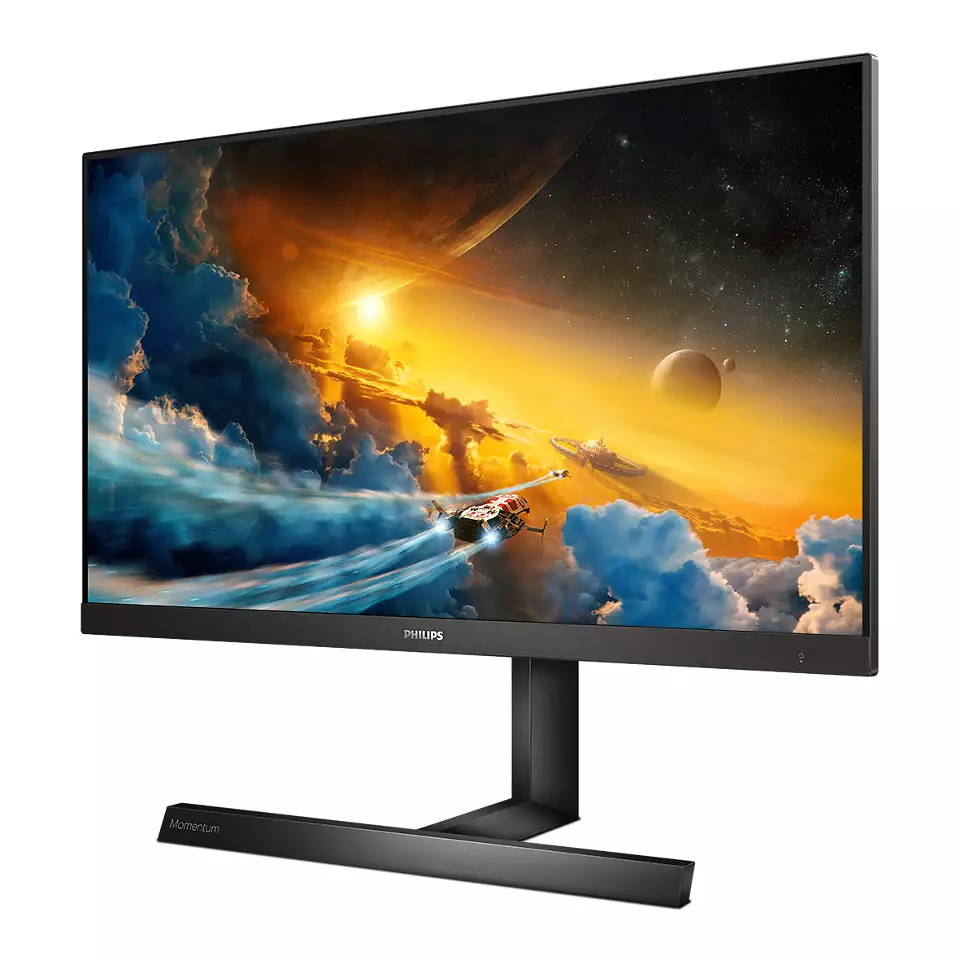
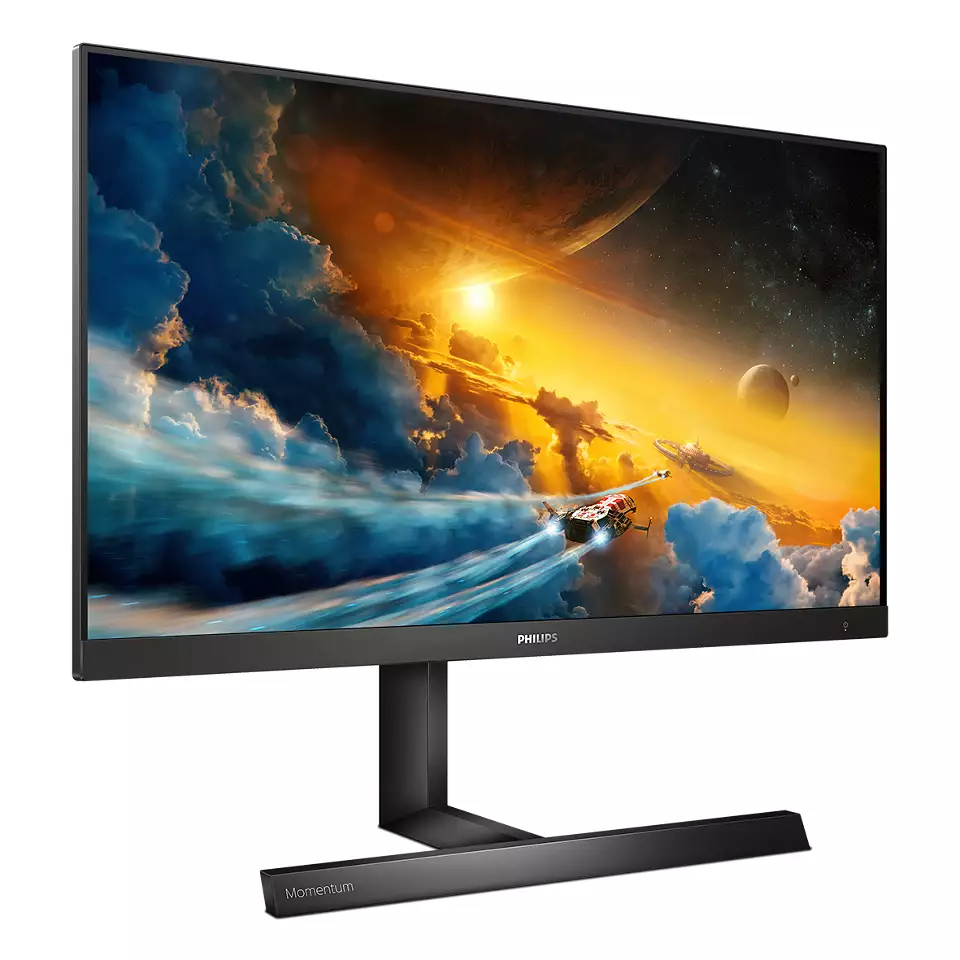
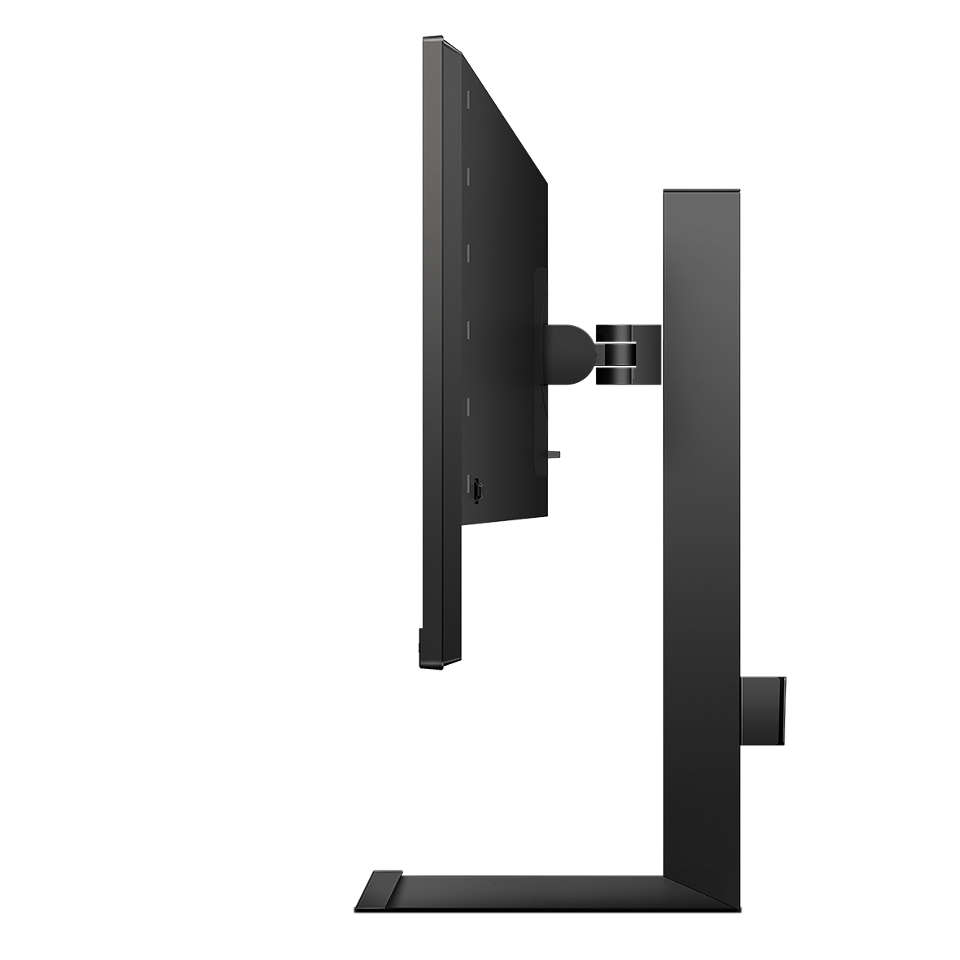
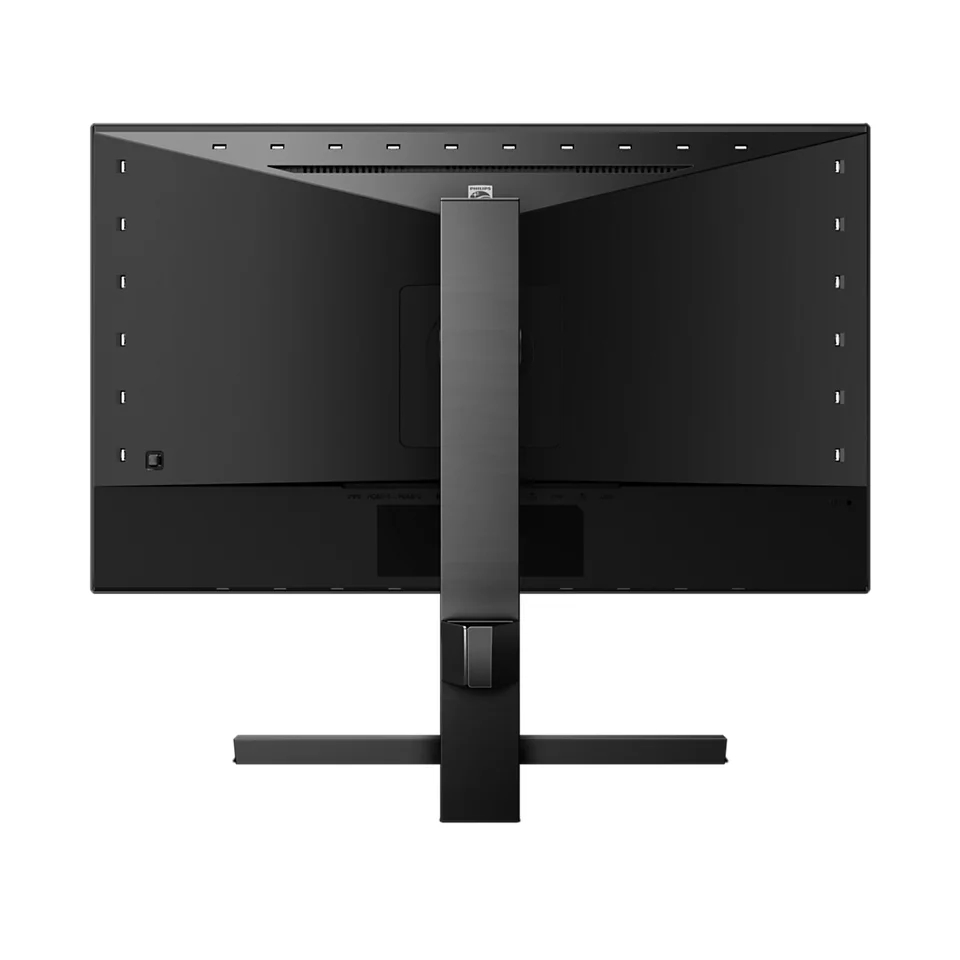
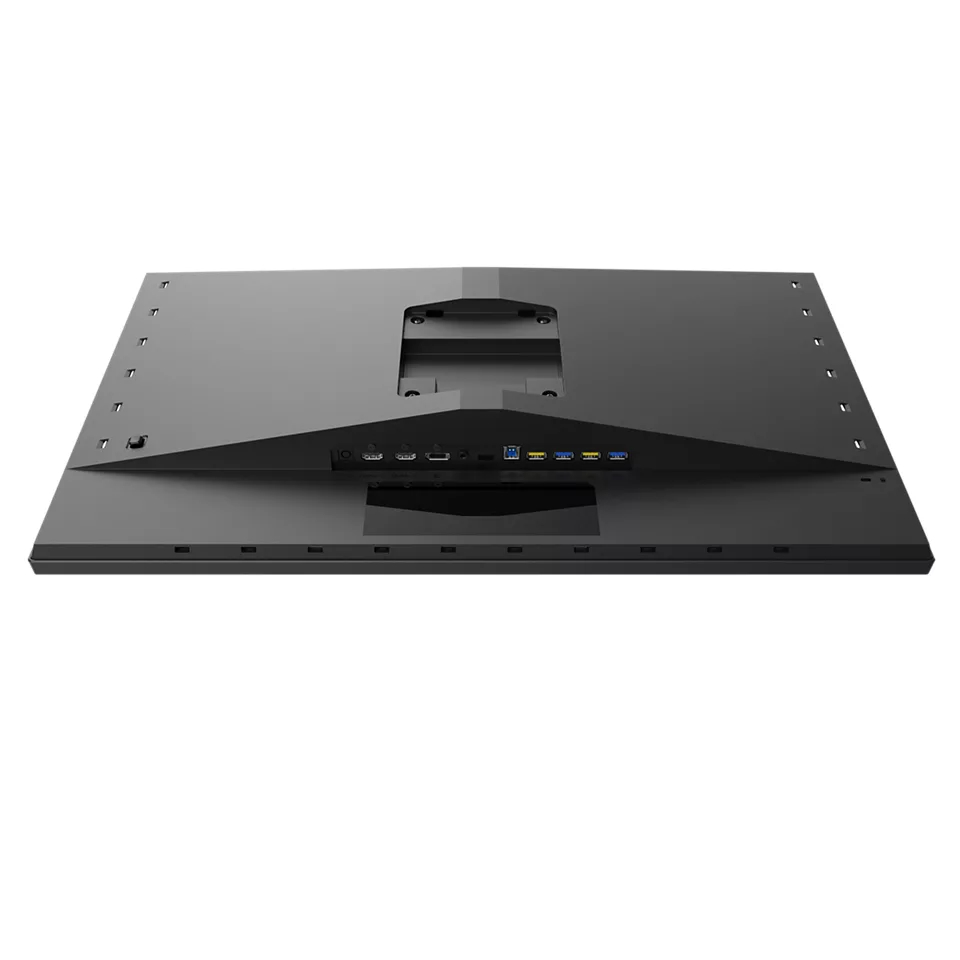
The 272M1RPE features Philips' Ambiglow technology, providing a colourful glow around the edges of the monitor, and flicker-free and low-blue light technologies to prevent eye strain. This monitor is VESA DisplayHDR certified and features SmartImage HDR presets, including ‘HDR Gaming' and ‘HDR Movies'.
The included SmartErgo Base offers a full set of ergonomic features, allowing the user to adjust the tilt, swivel, pivot, and height, but users may also use the monitor with a VESA 100x100mm bracket. For I/O, this monitor comes equipped with 2x HDMI 2.0, a DisplayPort 1.1, a USB-B upstream port, 4x USB 3.2 ports, and a 3.5mm audio jack.
Discuss on our Facebook page, HERE.
KitGuru says: A 27-inch FHD/240Hz monitor might not suit everyone due to the low pixel density, but some users prefer the high refresh rate instead of the higher resolution of the QHD/144Hz or 165Hz monitors out there. Which do you prefer for your gaming setup?