 KitGuru KitGuru.net – Tech News | Hardware News | Hardware Reviews | IOS | Mobile | Gaming | Graphics Cards


LG's UltraGear series has been popular among those looking for high-performance gaming monitors. The latest addition to this series is the LG 27GR75Q, which, based on its spec sheet, is a slightly cut-back version of the well-known 27GP83B-B.
The LG 27GR75Q-B uses a 27-inch IPS panel with a 2560 x 1440 resolution with a matte anti-glare screen surface. It has a 1000:1 static contrast ratio, 178°/178° viewing angles, and 8-bit colour depth. A flicker-free WLED backlight provides a 300 cd/m² typical luminance and up to 99% coverage of the sRGB colour gamut. The monitor responds in a basic way to HDR10 content, but the specs suggest the experience shouldn't be inferior to that of a VESA DisplayHDR-certified monitor.
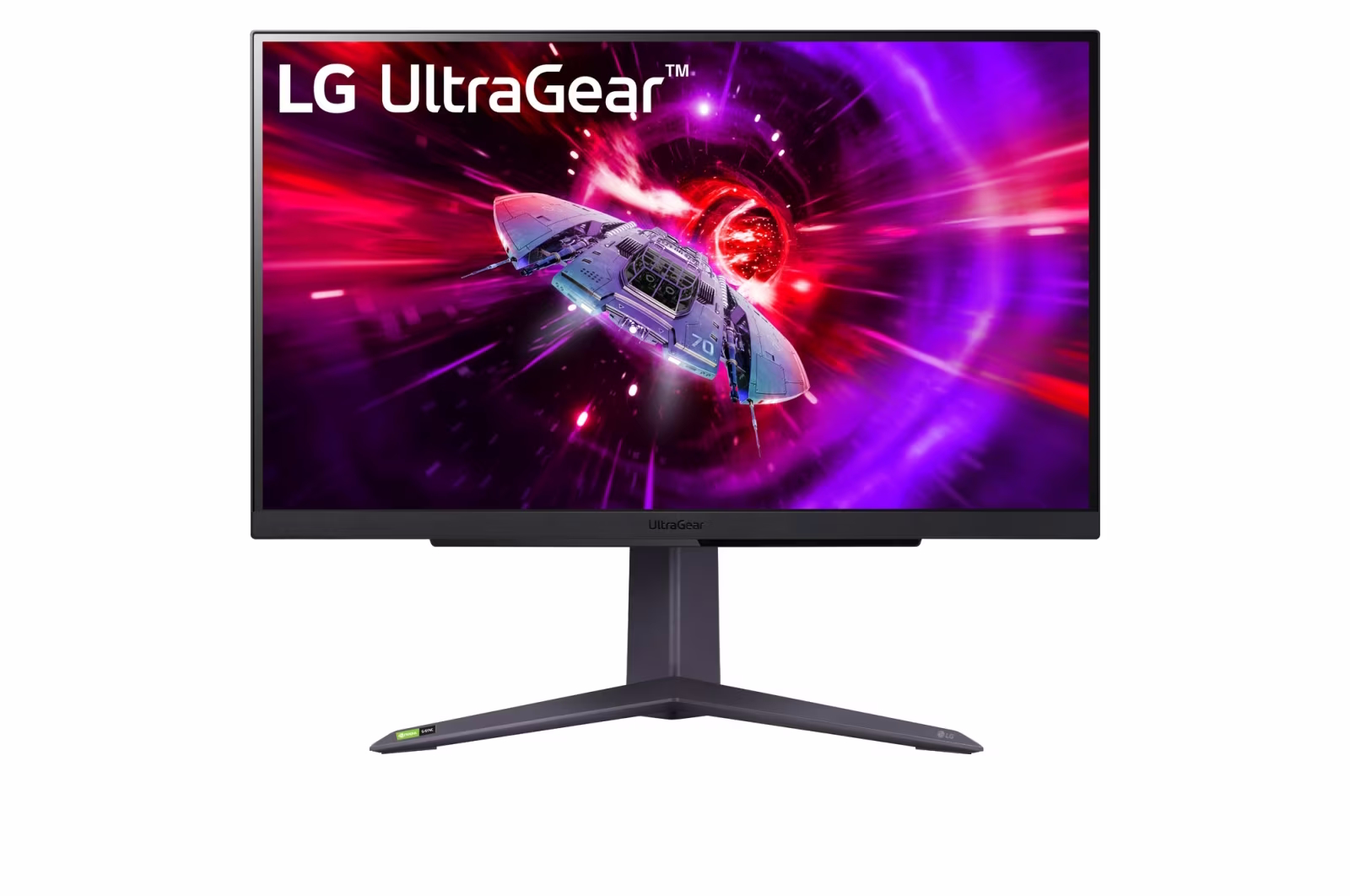
The monitor supports a 165Hz refresh rate alongside Adaptive-Sync, which includes AMD FreeSync Premium and Nvidia G-Sync. The LG 27GR75Q-B has a 1ms G2G response time (1ms MPRT) with a built-in Motion Blur Reduction strobe backlight setting. It also features DAS (Dynamic Action Sync), an integrated low-input lag mode.
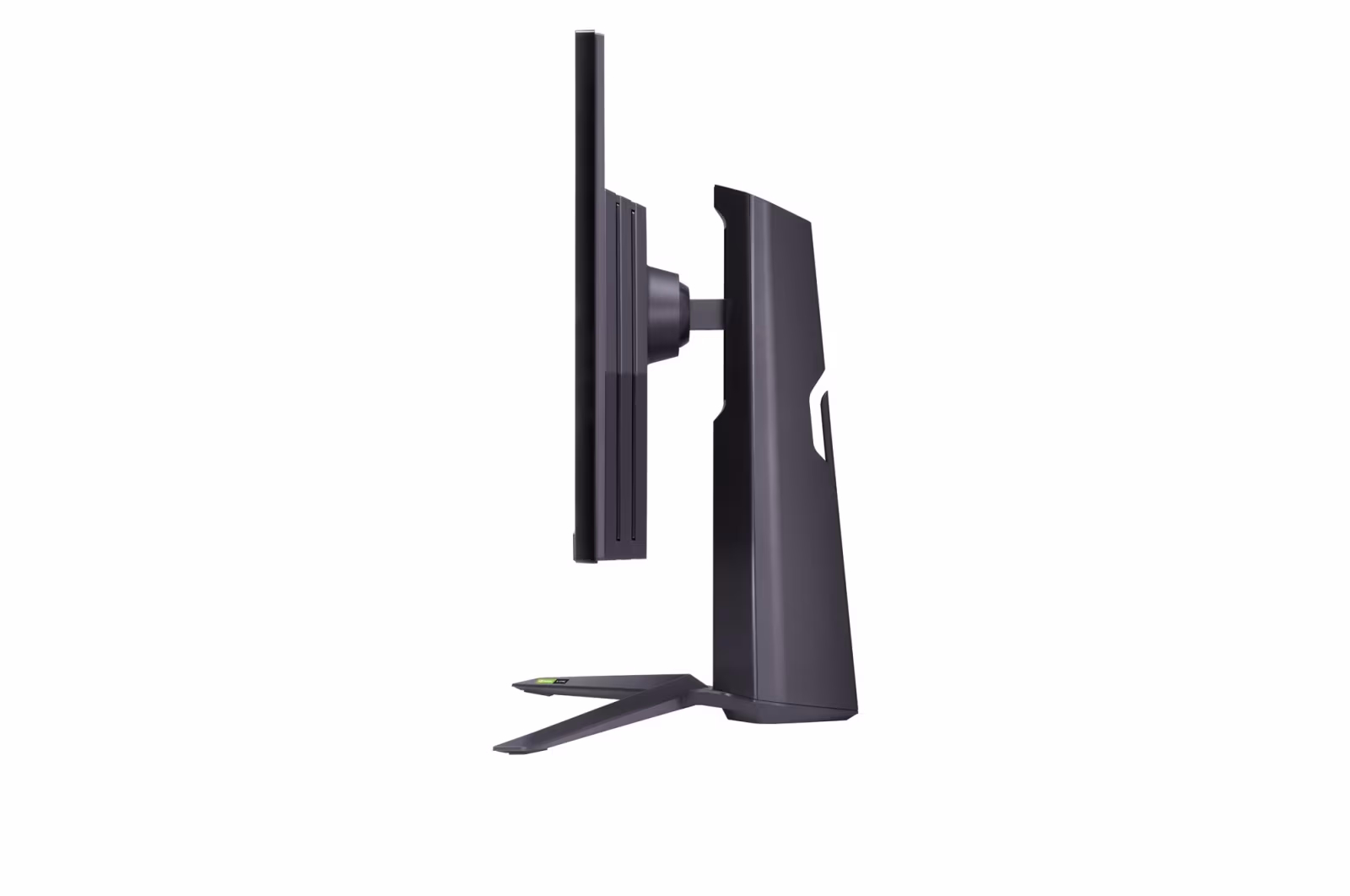
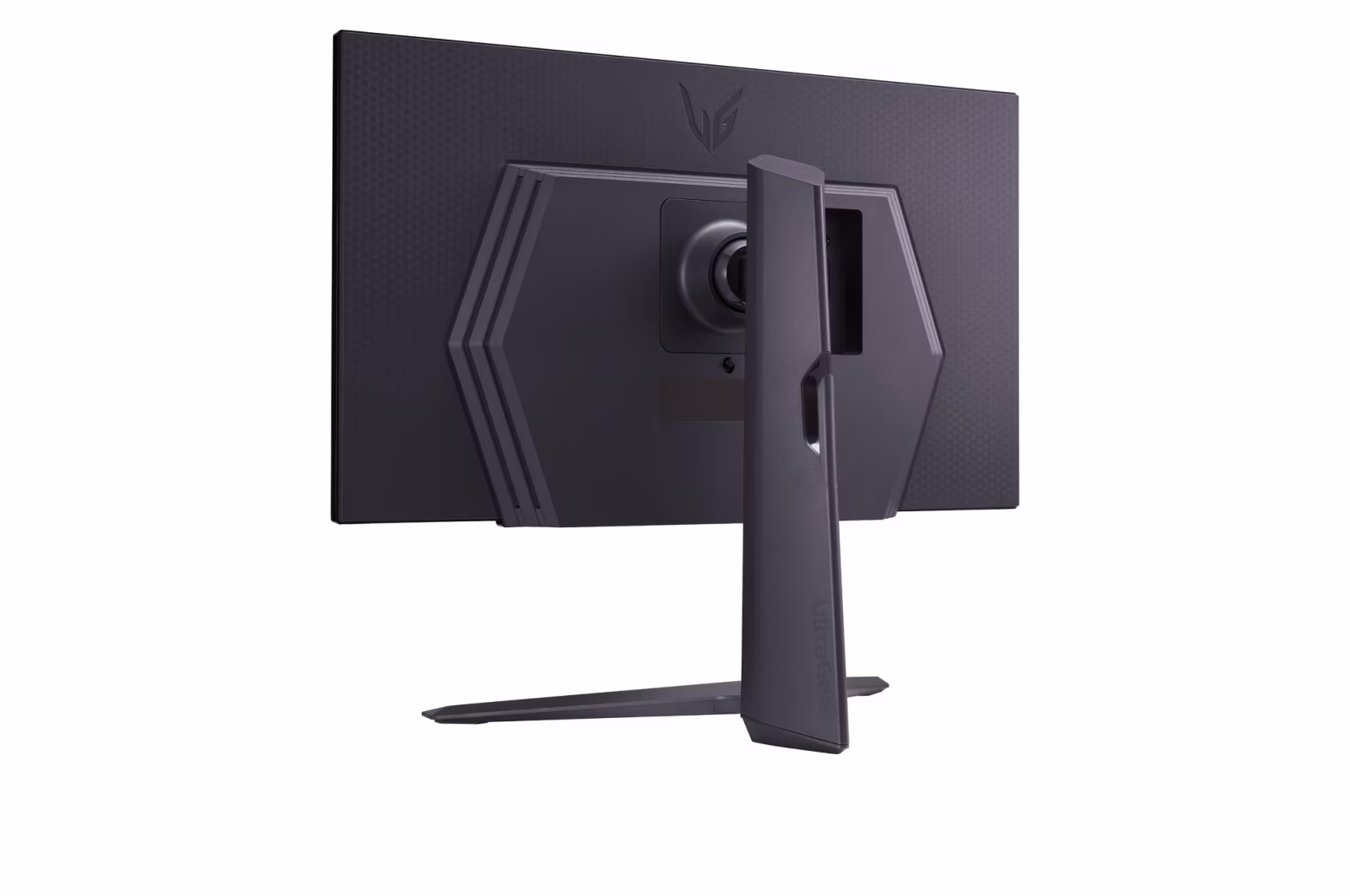
The removable stand allows you to tilt, pivot and adjust the height. Removing via the quick-release mechanism reveals the 100 x 100mm VESA holes you can use to mount a monitor arm. The available ports include a DP 1.4, 2x HDMI 2.0 ports, and a 3.5mm headphone jack.
Discuss on our Facebook page, HERE.
KitGuru says: Compared to the 27GP83B-B, LG's new UltraGear monitor is less bright, uses the sRGB gamut instead of DCI-P3, and has a more subtle design. The lower brightness is a straight loss. The design is more subjective, as some could prefer the 27GP83B-B's aesthetics over the all-black design of the 27GR75Q-B. As for the colour gamut, sRGB is still more widely used than DCI-P3, so this could be considered a win for the new LG gaming monitor.