 KitGuru KitGuru.net – Tech News | Hardware News | Hardware Reviews | IOS | Mobile | Gaming | Graphics Cards


Gigabyte is expanding its range of high-end gaming displays with the announcement of two new QD-OLED monitors. These include a 27-inch QHD model and a high-resolution 32-inch 4K option, both packed with the QD-OLED panel technology suitable for gamers and content creators.
For the competitive crowd, the new Gigabyte MO27Q3 is a 27-inch monitor that pairs a QHD (2560×1440) resolution with a 360Hz refresh rate. The Samsung QD-OLED panel promises a near-instant 0.03ms GtG response time and is certified for VESA ClearMR 18000, ensuring exceptional motion clarity. It also boasts 99% DCI-P3 colour coverage, a 10-bit colour depth, support for AMD FreeSync Premium Pro and Nvidia G-Sync, and a peak brightness of 1000 nits.
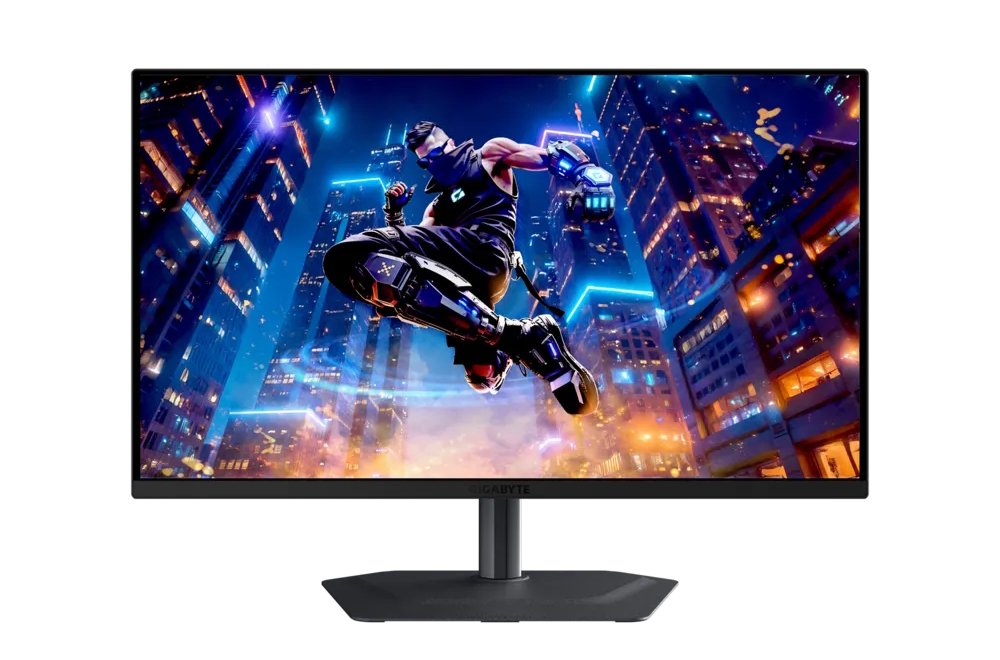
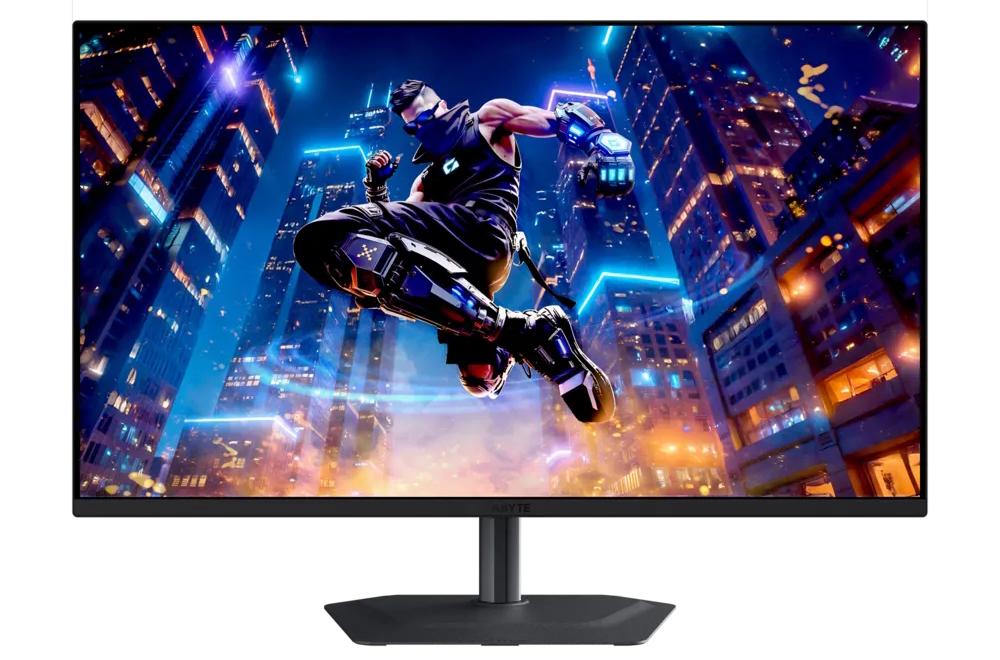
For those who prefer a more immersive, high-fidelity experience, there's the new MO32U2. This is a 32-inch 4K (3840 x 2160) QD-OLED monitor that operates at a 240Hz refresh rate. It shares many similarities with its smaller sibling, including the same 0.03ms response time, AMD FreeSync Premium Pro and Nvidia G-Sync support, 10-bit colour depth, 1000 nits of peak brightness, and a 99% DCI-P3 gamut. However, the VESA ClearMR certification is reduced to 13000.
Both new monitors are factory-calibrated (DeltaE < 2), DisplayHDR True Black 400-certified and loaded with features, including support for FreeSync Premium Pro and G-Sync compatibility, a built-in KVM switch for multi-device setups, a fully ergonomic stand, and a 3-year warranty that includes burn-in protection. Connectivity is also decent on both models, each with two HDMI 2.1 ports, DisplayPort 1.4, and a USB-C port with 18W power delivery.
KitGuru says: Based on their specs alone, which of these new Gigabyte QD-OLED monitor would you prefer?