 KitGuru KitGuru.net – Tech News | Hardware News | Hardware Reviews | IOS | Mobile | Gaming | Graphics Cards


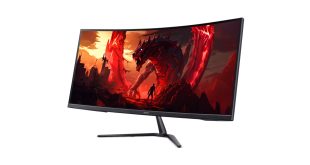
In a recent announcement, Acer revealed a new lineup of three curved gaming displays that feature VA panels with a 1500R curvature. These displays come with AMD FreeSync Premium and HDR10 support, as well as other features like “Visual Response Boost” to minimise image blur and an 11-level “black boost” adjustment to improve visibility in dark scenes.
First up we have the ED320QRS3bmiipx, packing a 31.5-inch Full HD display. It also features 72% NTSC colour reproducibility, a brightness of 250 nits, a 3,000:1 contrast ratio, a refresh rate of 165Hz, and a 1ms response time. The interface options include HDMI 2.0 x2 and a DisplayPort 1.4 and it has two 2W speakers.
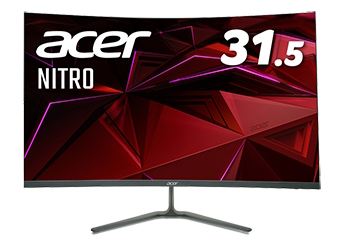
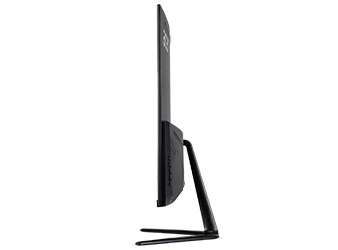
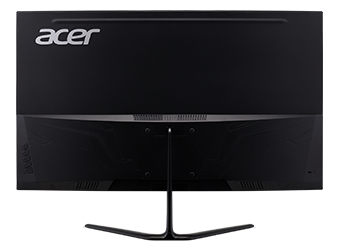
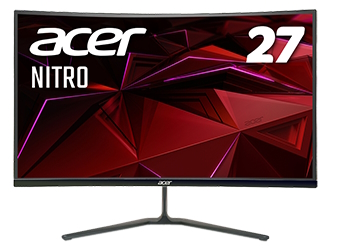
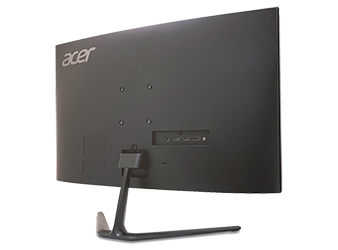
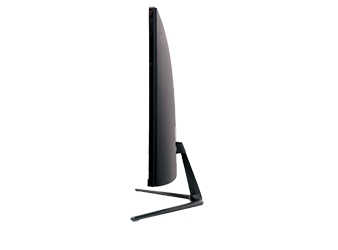
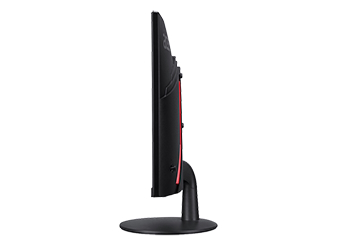
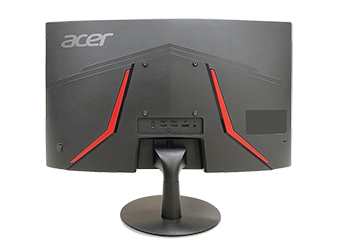
The second model, known as the ED270UP2bmiipx, is a 27-inch WQHD display. Like the previous model, it can display around 16.7 million colours, and covers 72% of the NTSC colour gamut. It also has a brightness of 250 nits, a 4,000:1 contrast ratio, a 170Hz refresh rate, and a 1ms response time. For connectivity, there are HDMI 2.0 x2 and a DisplayPort 1.2. In addition, there are two 2W speakers.
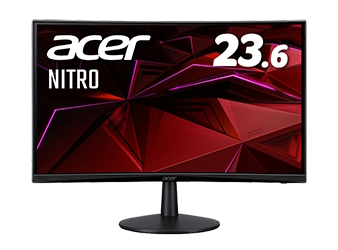
Lastly, the ED240QS3bmiipx is a 23.6-inch Full HD display. It shares similar specifications with the previous models, such as 8-bit colour depth, 72% NTSC colour reproducibility, a brightness of 250 nits, a 3,000:1 contrast ratio, a 180Hz refresh rate, and a 1ms response time. The built-in interfaces consist of two HDMI 2.0 ports and a DisplayPort 1.4, as well as internal speakers.
Discuss on our Facebook page, HERE.
KitGuru says: Based on the specs, we would expect these to be budget-friendly options for those looking to make the jump to a high refresh rate display.